Latest Matka News



The Story of Matka: From Ancient Heritage to Modern Homes
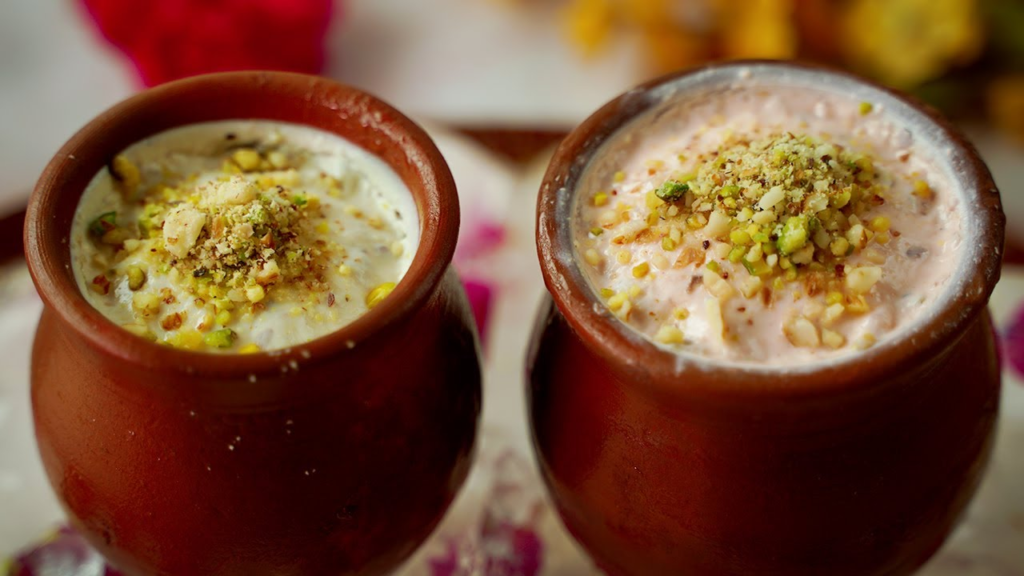
The matka is undoubtedly the oldest and possibly the most esteemed household invention in human history. The matka, made from natural clay and shaped by artisans’ hands, has served families for generations. Long before there were refrigerators, plastic containers, and the kinds of storage systems we get to enjoy today, mere mortals relied on this simple earthen pot for storing water, sustaining food, or getting on with cooking and various other household requirements.
It is widely available due to its climatic and environmental friendliness, natural cooling properties, and cultural significance, thus making it a necessary component of both village and settlement life as well as royal residences.
This matka is generational; it is a sustainable vessel, a symbol of craftsmanship and of remaining connected to nature. In some places around the world, it is traditionally more than just dishware; it is what generations have passed down. Only after years of mastering how to work with, dry, and fire clay into pots do expert potters become experts. Although the term satta matka is widely recognized in a completely different context, the traditional clay matka remains valued for its cultural heritage, practical use, and timeless craftsmanship.
Now that we are entering a stage of our lives where more and more people want to be eco-friendly and are trying to opt for synthetic products and go with healthy options, matka is popularising again. They left the loveliness and functionality of nature behind for centuries — but today, modern homes are re-embracing its ageless importance. This article is about the journey of matka from ancient to the 21st-century flat.
Origins of the Matka in Ancient Civilisations
Matka has a history that goes back over hundreds of thousands of years to some of the earliest human civilizations. Archaeological findings from the area of the Indus Valley civilization reveal that water, grains, oils, herbs, and many other basic essentials were truly stored in earthen pots. This ability to create animal imagery was recognized by ancient communities, as they realized almost immediately that clay is one of the most useful materials available in nature. Conversely, it was not difficult to gather, uncomplicated to form, and extraordinarily potent after firing.
Some of the earliest potters modeled clay by hand into rounded forms designed to contain and safeguard precious materials. The terracotta containers became an invaluable part of everyday life, especially for those living in hot regions. Clay is naturally porous, allowing the water it holds to remain cool, which made the matka a great choice for drinking water. Although the phrase kalyan matka is known in a different context, the traditional clay matka continues to be appreciated for its practical benefits and rich cultural heritage.
With the rise of technology and pottery, matkas have emerged today as a symbol of human evolution. The development of this material was HUB, which represented an important milestone in the use of natural fibers.
Evolution of Matka Designs Through History
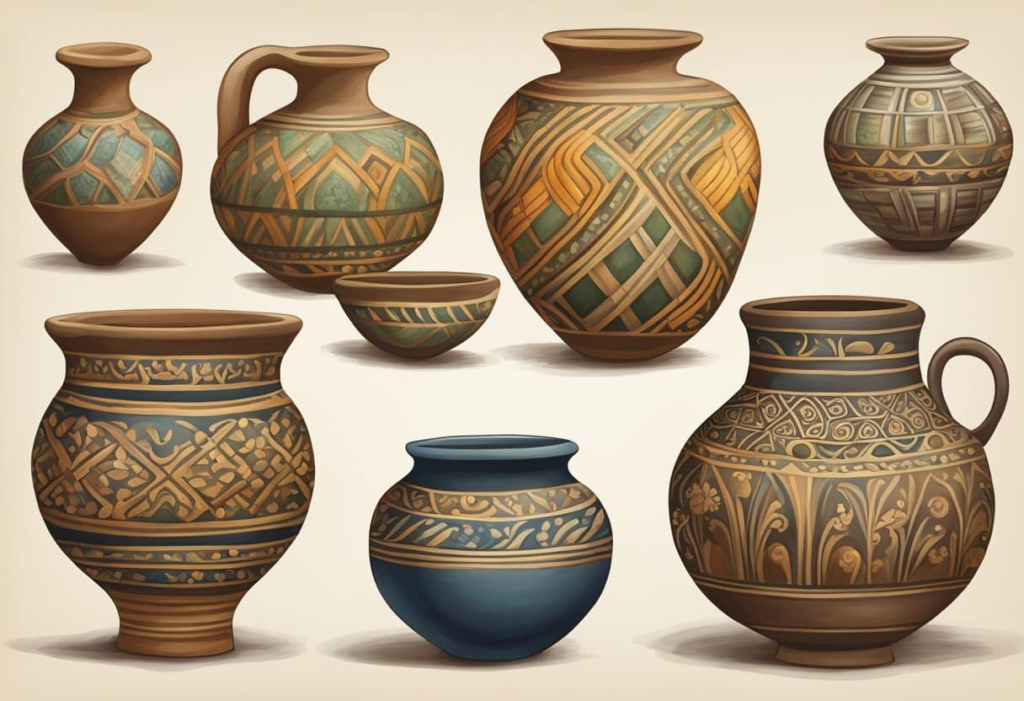
Over centuries, the form of matka has changed dramatically. However, these clay pots began as functional designs done for very practical purposes. Shaped with thick walls and wide openings, as well as simple round shapes that helped with simple storage work. Nonetheless, as cultures matured and artistic customs advanced, the matka started to shift in form.
From there, artisans began to start experimenting with various shapes, sizes, and textures. There were matkas meant just for storing water, others created to hold grains and dairy products, or even ceremonial. As time progressed, regional styles began to be popularised as various communities would paint and carve their own unique patterns and colours.
Pottery design was influenced not just by environmentalism, but also by trade routes and cultural exchange. Because potters learned from each other, techniques and artistic styles spread across regions. Over time, this made the matka not only a practical household vessel but also an artistic expression of regional identity and cultural heritage. While the phrase matka result is commonly associated with a different subject, the traditional clay matka continues to represent timeless craftsmanship and cultural significance.
Cultural Importance of Matka in Society
Matka helps sustain cultural traditions and community life. At many homes, it signifies purity, abundance, hospitality, and prosperity. In the past, serving water out of a matka to all visitors was typically observed as a mark of regard and affection.
Decorated matkas are popularly employed as symbolic items during weddings, festivals, and other religious ceremonies. These can also be painted in vibrant colors, with flowers or sacred symbols that represent good fortune and positive energy.
The matka is often integrated into the everyday family rituals in rural communities. Kids grow up watching the grown-ups filling these clay vessels, cleaning them, and then looking after them. Thus, the matka becomes linked to memory, tradition, and familial identity. Although the term boss matka is recognized in a different context, the traditional clay matka continues to symbolize heritage, simplicity, and everyday living across generations.
Even today, a matka is the one thing that reminds people of their traditions and helps keep them alive for centuries.
Traditional Craftsmanship Behind Every Matka
It takes years of practice, patience, and artistry to create a matka. It starts with collecting high-quality clay from riverbanks or unique clay deposits. The clay is carefully processed to remove stones, roots, and other impurities before shaping begins. While the phrase pboss matka is commonly associated with a different context, the traditional clay matka remains a remarkable example of skilled craftsmanship and cultural heritage.
The clay is then mixed with water and kneaded to perfection. The clay is placed on a potter’s wheel by skilled artisans, who mold it with precise hand movements.
The squeezed matka is dried in direct sunlight before being shaped. This process is weather-dependent and may take several days to complete. Once completely dried, the pot would go into a kiln and be fired at very high temperatures to make it solid.
Other makers may use decorative carvings, painted patterns or polished finishes. Each unique matka is a result of feet that have endured generations of inherited knowledge and artistic dedication.
Natural Materials Used in Matka Production
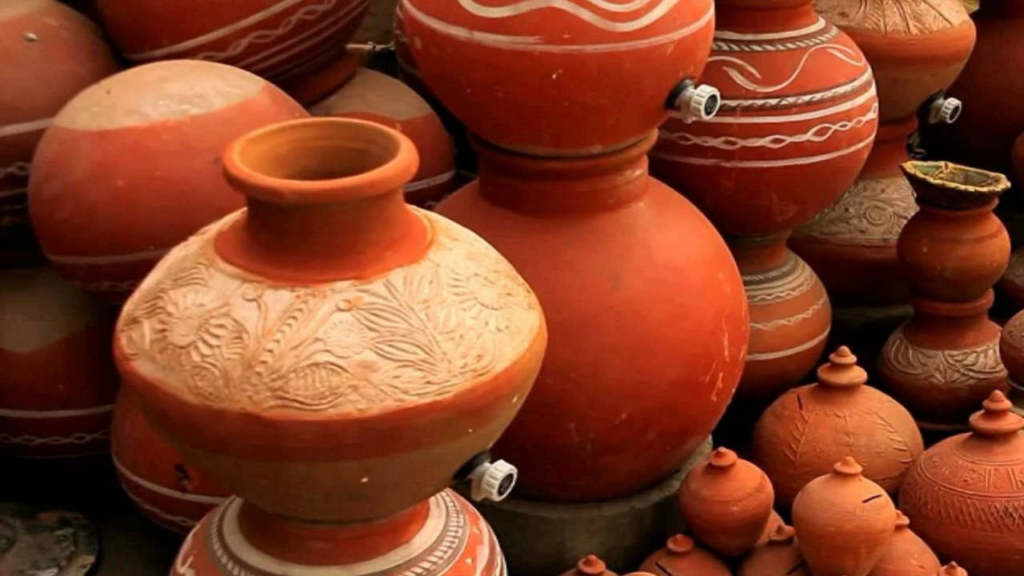
It is made of natural materials, which is why the matka is effective and beautiful. The main ingredient here is clay, which has been chosen for its durability, porosity, and cooling features. Clay varies from region to region, each with its own textures and mineral compositions.
Milling of clay mixtures helps some potters to strengthen and control the possibility of cracking when fired, while mixing fine sand or natural minerals into their clay paste. Be careful when adding water, just enough to obtain a smooth dough that can be worked.
Since a matka is made exclusively from natural materials, it ends up being completely biodegradable and environmentally friendly. It does not leave behind any harmful waste as plastic containers do. While the term golden matka is often recognized in a different context, the traditional clay matka continues to stand out as a sustainable and eco-friendly choice for everyday use.
One of the reasons why matka still stands as a trusted and sustainable item in households is because of its pure composition.
Science Behind the Cooling Power of Matka
Kaley Matka, at that point, cools the water through dissipation. There are minuscule holes in the clay, though, so a few water molecules can percolate—slowly—toward the outside.
When this moisture evaporates in the air around it, the heat is absorbed from the water stored inside that matka. This lowers the temperature naturally without electricity.
In contrast to refrigeration, which can chill water to the lowest temperature, matka water preserves the temperature in a balancing range that most people will like and get accustomed.
For centuries, this basic scientific approach has rendered the matka invaluable.
Health Benefits of Drinking Matka Water
There are many health benefits of water stored in a matka. It stays naturally cool, but not to the point that it freezes.
Many claim that matka water, as opposed to chilled or packaged water, is lighter on the stomach and smoother on the throat.
Since a matka is made from natural clay, this allows it avoids the contact of synthetic material that gives off toxic fumes found in plastic containers.
Matka water is a trusted water source for generations to keep the family healthy and hydrated.
Matka in Rural Communities
The matka has been a daily necessity in rural communities for centuries. It is used in homes for storing drinking water, grains, dairy products, and home-made foods.
It is inexpensive, durable, and effective as an ice pack, which makes it perfect for village-style living in cases where electricity is sporadic or completely unavailable.
The matka also remains a household staple kept in kitchens, courtyards or shaded parts of the home.
Matka in Urban Homes
Modern urban households are rediscovering the benefits of the matka. Health-conscious families appreciate naturally cooled water.
Interior designers use decorative matkas to create warm, rustic, and eco-friendly spaces.
Its combination of functionality and beauty makes it increasingly popular in city homes.
Decorative Uses of Matka
The matka is no longer limited to practical use. Many homeowners use decorative clay pots as part of interior design.
Painted matkas add color, texture, and cultural character to living spaces, gardens, and balconies.
This artistic use keeps traditional craftsmanship alive.
Environmental Benefits of Matka
Matka will be one of the environmentally friendly products coming from your home.
Biodegradable, reusable, and made purely from natural materials.
Matka use decreases dependence on plastic containers and electricity-based cooling agents.
Economic Importance of Matka Industry
Thousands of artisan families are reliant on the matka industry.
Local markets, exhibitions, and online channels provide opportunities for pottery skills to be seen by a wider audience.
The broader demand for chillied-up, better-balleted gifts generates durable economic prospects.
Challenges Faced by Traditional Potters
Potters have competition in the form of plastic and manufactured goods.
Soaring material costs and changing consumer habits also pose additional challenges.
But there may be hope on the horizon as interest in sustainable living grows.
Modern Innovations in Matka Design
The new age designers have conceptualised matkas and made it even cooler with taps, stands, and decorative touches.
Such innovations keep the matka in sync with modern lifestyles.
Buyers tend to lean toward these styles more among the younger crowd.
Maintenance and Care of Matka
Proper care can help a matka last for years.
It should be cleaned regularly with fresh water and kept in a cool place.
Gentle handling prevents cracks and damage.
Global Popularity of Matka
The matka is gaining recognition beyond South Asia.
Eco-conscious consumers worldwide appreciate its sustainability and natural cooling benefits.
Its global popularity continues to grow.
The Future of Matka in Sustainable Living
As sustainability becomes more important, the matka is finding new relevance.
Its eco-friendly design, cultural significance, and practical benefits ensure a strong future.
The matka remains a timeless solution for modern living.
Top 10 Benefits of Using Matka
- Naturally cools water
- Requires no electricity
- Eco-friendly
- Biodegradable
- Affordable
- Durable
- Supports artisans
- Enhances water freshness
- Decorative appeal
- Promotes sustainable living
Important Facts About Matka
- Made from natural clay
- Handcrafted by artisans
- Used for thousands of years
- Naturally cools water
- Chemical-free storage
- Biodegradable material
- Supports local craftsmanship
- Available in many designs
- Suitable for décor
- Easy to maintain
FAQ’s
What is a matka?
A matka is a traditional clay pot used for storing water and food.
How does a matka cool water?
Its porous clay surface allows evaporation, naturally lowering water temperature.
Is matka water healthy?
Many people prefer it because it provides naturally cooled water.
How long does a matka last?
With proper care, it can last several years.
Can matka be decorative?
Yes, decorative matkas are popular in modern homes.
Is Matka environmentally friendly?
Yes, it is biodegradable and sustainable.
Where can I buy a matka?
Local pottery shops, artisan markets, and home décor stores often sell them.
Conclusion
Half a century of local ingenuity and sustainability. This humble vessel has had a long history serving mankind, beautifully and utilitarianly, from ancient civilizations to modern households. Even more than a household tool, it makes water cooler, saves resources, and lowers the environmental footprint.
As sustainability & wellness are the new normal, the conversational context that projects an evergreen utility of matka. So the introduction of a matkasa should fit in modern houses as well, to ensure households can enjoy its benefits and maintain traditions that will hopefully be handed down as an heirloom.
This matkay thus represents our heritage, art, and ability to skim through nature.